

In Malaysia, kurma, or days, are a lot more than just a wonderful treat; they stand for a rich heritage and cultural relevance. Frequently connected with the Islamic custom of breaking quickly during Ramadan, these fruits have actually woven themselves into the fabric of Malaysian society. This post explores the history, cultural importance, and various selections of kurma located in Malaysia
The Historic Context of Dates in Malaysia.
Dates have been cultivated for countless years in the center East, with their beginnings tracing back to areas like Iraq and Egypt. The intro of days into Malaysia featured the arrival of Arab traders and Islamic missionaries that brought these fruits along with Islamic teachings. Throughout kedai kurma Malaysia , the appeal of kurma grew, specifically throughout the month of Ramadan when Muslims damage their quick with these healthy fruits.
Social Relevance of Kurma
Sign of Friendliness: In Malaysian society, using days to visitors symbolizes friendliness and kindness. It is typical for hosts to offer kurma with beverages during events, symbolizing regard and heat.
Conventional Practices: Dates are not only eaten during Ramadan; they also play a crucial duty in standard practices such as weddings and celebrations. They are frequently included in present baskets and are thought about advantageous.
Wellness and Health: The consumption of dates throughout Ramadan is believed to recover power and offer important nutrients after a day of fasting. This cultural method stresses the health and wellness benefits connected with kurma.
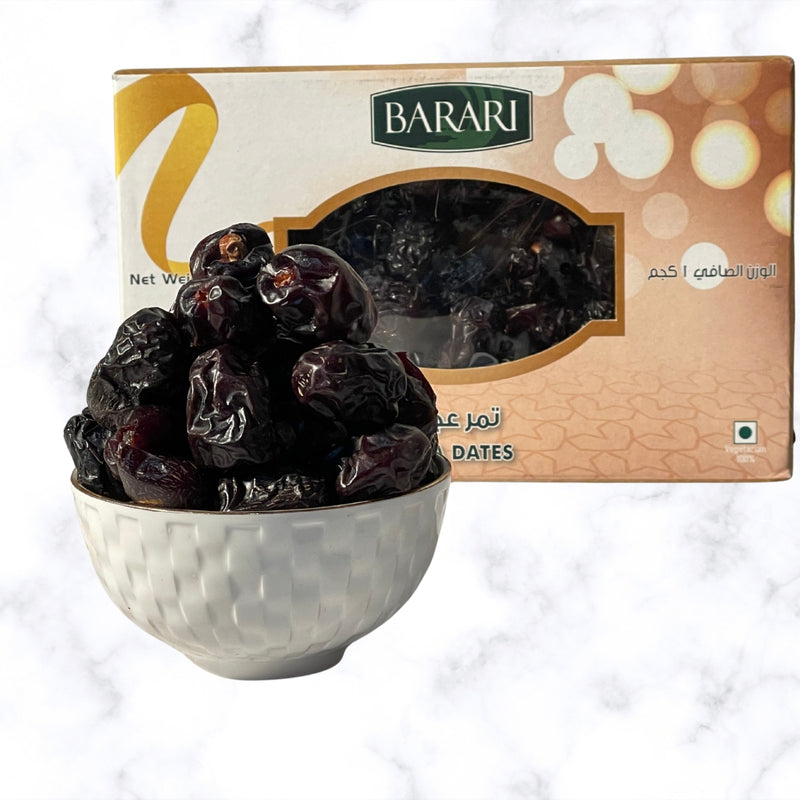
Selections of Kurma in Malaysia
A number of ranges of kurma are expanded in Malaysia, each with one-of-a-kind tastes and characteristics. Below are some preferred kinds:
Kurma Medjool: Recognized for its plus size and wonderful taste, Medjool dates are among one of the most in-demand varieties in Malaysia. They are often delighted in fresh or made use of in desserts.
Kurma Ajwa: Originating from Saudi Arabia, Ajwa dates are extremely valued for their unique flavor and wellness advantages. In Malaysia, they are commonly used in traditional remedies.
Kurma Safawi: This range is understood for its dark shade and crunchy appearance. Safawi days are rich in anti-oxidants and are a prominent choice among health-conscious customers.
Kurma Khalas: Khalas days are wonderful and soft, making them perfect for snacking. They are commonly discovered in Malaysian markets and are appreciated by lots of.
Kurma Barhi: This variety is appreciated for its sweetness and soft appearance. Barhi days are usually eaten fresh and are a favorite among kids.
Verdict
Kurma in Malaysia is greater than simply a fruit; it personifies the nation's culture, background, and friendliness. As the appeal of days proceeds to expand, they remain an indispensable part of Malaysian traditions, specifically throughout Ramadan. Understanding the significance of kurma improves our admiration for this delicious fruit and its duty in Malaysian society.